
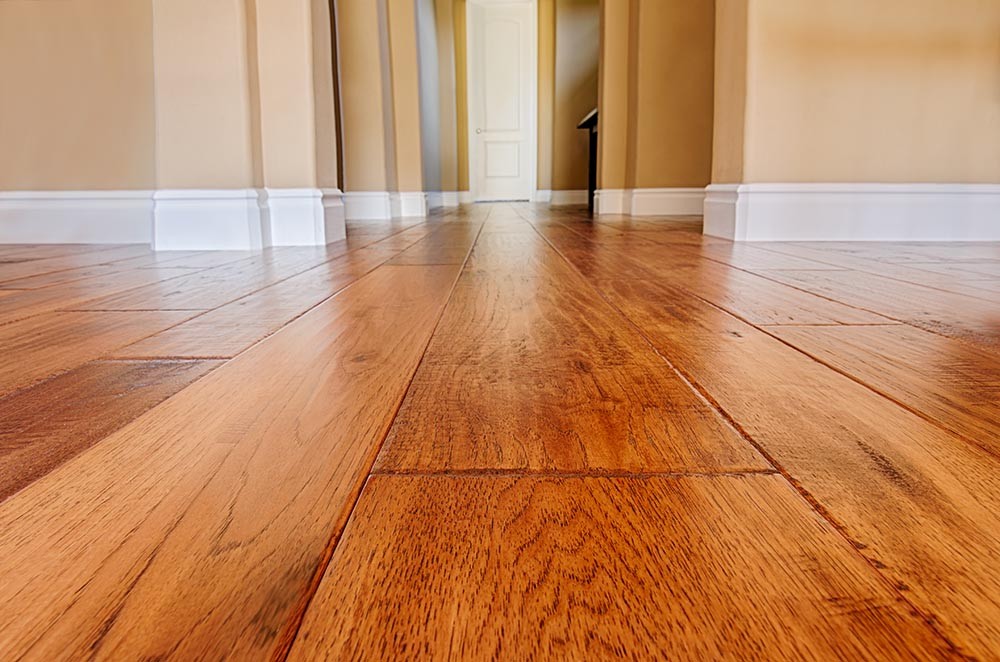
It’s funny how people notice uneven floors.
Sometimes it’s dramatic. You drop a marble in the kitchen and watch it roll away like it suddenly remembered an appointment downtown. Other times it’s subtler. Your office chair drifts sideways during Zoom meetings. A dining table wobbles no matter how many folded napkins you shove underneath one leg.
And usually, homeowners shrug it off at first.
Life’s busy. Nobody wants to jump straight from “hmm that floor feels weird” to “possible structural issue underneath the house.” That escalated quickly.
But uneven floors often reveal far more than aging hardwood or quirky construction. They can signal shifting support underneath the home itself, and honestly, homes usually whisper about these problems long before they start screaming.
If you’ve noticed floors sloping, dipping or feeling unstable beneath your feet, companies like Acculevel often explain how moisture issues, soil movement and structural settling can gradually affect a home’s stability over time. And the tricky part is that most of these problems develop slowly enough that people adapt without realizing it.
Humans normalize weird things surprisingly fast.
Floors Usually Reveal Problems Early
Foundation issues rarely arrive with fireworks.
No giant cracks splitting the house in half overnight while dramatic music plays in the background. Usually the signs appear quietly at first. Uneven flooring tends to become one of the earliest visible clues because floors respond quickly to shifting support underneath the structure.
Tiny movement below the home creates pressure changes above it.
And houses are deeply interconnected. One settling corner can affect rooms entirely across the structure over time. That’s why uneven floors often appear alongside sticking doors, recurring wall cracks or windows that suddenly refuse to cooperate.
I remember visiting a friend’s house years ago where the hallway floor sloped just enough that every guest instinctively sped up while walking through it. Nobody living there noticed anymore because they’d adjusted naturally over time.
Turns out years of drainage issues outside had slowly shifted part of the foundation underneath.
Soil Beneath the Home Is Constantly Moving
Most homeowners don’t spend much time thinking about the dirt underneath their house. Which is fair honestly. Soil isn’t exactly a thrilling dinner topic unless someone’s uncle gets unexpectedly passionate about drainage systems after two beers.
But soil movement plays a massive role in structural stability.
During rainy periods, certain soil types absorb moisture and expand. Then dry weather arrives and the soil contracts again. That repeated swelling and shrinking gradually affects the support underneath the foundation itself.
Foundations prefer stability.
Nature absolutely refuses to provide that consistently.
Clay heavy soil especially behaves dramatically. One season it expands like bread dough after heavy rain. A few dry months later it contracts enough to create uneven settling beneath portions of the home.
The floors upstairs eventually reveal those shifts.
Moisture Problems Usually Sit Somewhere Nearby
Water causes more home damage than people realize.
Poor drainage around the house saturates soil unevenly and weakens support beneath the foundation over time. Overflowing gutters, standing water near the home and clogged downspouts all contribute to shifting conditions underground.
And because these changes happen slowly, homeowners rarely connect the symptoms immediately.
Last spring my neighbor ignored pooling water beside his patio because he figured it would dry naturally after storms. Which technically it did. Eventually. But by autumn, one section of his living room floor had developed a noticeable dip near the same exterior wall.
Funny how water always introduces itself politely before becoming expensive.
Uneven floors often point toward larger moisture or drainage problems happening below the surface where nobody notices them right away.
Crawlspaces Quietly Create Trouble
Crawlspaces are strange little worlds.
Dark. Damp. Full of mystery pipes and storage bins nobody’s touched since flip phones existed. And unfortunately, crawlspaces often reveal structural problems long before the rest of the home fully catches up.
Excess humidity beneath the house weakens wooden supports over time. Floor joists begin sagging slightly. Support beams absorb moisture. Wood softens gradually year after year.
Then the floors upstairs start feeling different.
Maybe slightly bouncy. Slightly tilted. Slightly softer in certain areas.
One homeowner I spoke with originally blamed her uneven bedroom floor on old carpeting until an inspection revealed significant moisture damage affecting support beams underneath the crawlspace itself. The issue had apparently been developing quietly for years.
Homes whisper first.
Older Homes Have “Character” Until They Don’t
Look, older homes naturally settle somewhat over time. That’s normal.
Materials age. Wood shifts. Structures adapt to decades of seasonal weather changes. Some unevenness simply comes with age and doesn’t necessarily indicate serious structural danger.
Realtors love calling this “character.”
Which is honestly a very charming way of saying, “Nothing lines up perfectly and the staircase sounds haunted after midnight.”
But noticeable floor movement deserves attention when it continues worsening or appears alongside other structural symptoms. Uneven settling isn’t always harmless aging.
And homeowners usually sense the difference instinctively even before they understand the cause technically. A room suddenly feels “off.” Walking through certain areas feels unfamiliar somehow.
Your brain notices patterns quietly in the background.
Uneven Floors Rarely Happen Alone
This part matters.
Floor movement often appears alongside:
• Cracks near windows or ceilings
• Sticking doors and windows
• Basement moisture problems
• Gaps around trim or molding
• Squeaking or bouncing floors
• Cabinets pulling slightly from walls
One issue alone might not mean much. Several happening together usually tells a larger structural story.
And honestly, home inspections often uncover multiple connected symptoms once people start paying closer attention. Because structural movement rarely stays isolated to one single room forever.
Seasonal Weather Makes Everything Worse Sometimes
Weather patterns lately feel completely chaotic. Heavy storms followed by long dry periods create huge moisture fluctuations around foundations. Freeze thaw cycles during winter create additional movement underground as moisture expands and contracts beneath the home repeatedly. Houses absorb all of it.
According to FEMA, maintaining stable drainage conditions around the foundation helps reduce long term structural movement tied to shifting soil. Stable moisture levels create more reliable support underneath the structure itself.
Makes sense really. Stability underneath creates stability above.
But when environmental conditions constantly change, floors often reveal the stress before homeowners fully realize what’s happening.
Cosmetic Fixes Don’t Solve Structural Causes
This catches people constantly. Some homeowners replace flooring or rearrange furniture while the underlying structural issue continues progressing quietly underneath the house. Rugs hide slopes temporarily. New flooring disguises unevenness visually. The structure underneath keeps moving anyway.
It’s sort of like spraying air freshener in your car instead of dealing with whatever mysterious smell actually started living there.
Technically something changed. Not the correct thing though. Companies like Acculevel Foundation Repair Experts often encourage homeowners to investigate recurring floor movement early because addressing the underlying cause matters far more than masking symptoms cosmetically.
Why People Delay Looking Into It
Because structural concerns sound stressful. Simple as that.
Nobody wakes up excited to investigate foundation movement before breakfast. People convince themselves maybe the slope has always existed. Maybe the floorboards are just old. Maybe gravity itself shifted slightly and nobody announced it publicly.
Denial becomes a surprisingly common maintenance strategy.
The problem is that uneven flooring often worsens gradually when the underlying issue remains unresolved. Soil keeps shifting. Moisture keeps spreading. Structural pressure redistributes throughout the house over time.
And unfortunately, repair costs tend to grow alongside the damage.
Which feels deeply rude honestly.
Paying Attention Early Usually Makes a Huge Difference
Most homes settle somewhat over the years. That’s completely normal. Materials age. Weather changes. Soil shifts beneath the structure season after season.
But noticeable uneven flooring deserves attention when it develops alongside recurring structural symptoms. Especially if the changes seem to be getting worse over time.
If your floors have started sloping, dipping or feeling unstable beneath your feet, there’s probably a reason. Maybe shifting soil. Maybe moisture imbalance. Maybe weakened support systems underneath the home. Whatever the cause, houses usually provide warning signs long before serious structural problems fully develop.
The challenge is recognizing those quiet little clues before they turn into much louder and much more expensive conversations later on.


More Stories